Follow Me On Social Media!


How to Use a Pizza Stone for Irresistibly Crispy Crusts

Introduction to Using a Pizza Stone
Imagine the aroma of freshly baked homemade pizza wafting through your kitchen, the crust perfectly crispy and the cheese bubbling in delight. That’s the magic of using a pizza stone. A pizza stone not only elevates your pizza-making game but brings an authentic pizzeria experience right into your home.
Using a pizza stone is a game-changer for achieving that elusive crisp crust that everyone loves. The stone absorbs heat and radiates it evenly, which mimics a traditional pizza oven. This means that instead of a soggy bottom, you can enjoy a crust that is both crispy and chewy—the holy grail for pizza aficionados.
Why should you use a pizza stone for homemade pizza?
- Enhanced Crispiness: The key to a great pizza lies in the crust. A pizza stone retains high temperatures and conducts heat efficiently, making it perfect for achieving that golden-brown, crunchy exterior.
- Even Cooking: One of the frustrations with homemade pizza is uneven cooking. With a thermally stable surface like a pizza stone, your pizza cooks evenly, ensuring every slice is as delightful as the last.
- Less Likely to Stick: Pizza can often stick to baking sheets or pans, leading to disastrous results. A well-prepared stone gives your dough the perfect surface without sticking, allowing for easy transfer to and from the oven.
- Versatility: Beyond pizza, your stone can be used for baking bread, pastries, and even roasting vegetables. Once you’ve mastered how to use a pizza stone, you’ll find yourself using it for countless culinary adventures.
Using a pizza stone is a straightforward process, but there are a few essential steps you need to know before diving in. Understanding how to prepare and preheat your stone, as well as best practices for placing your pizza on it, can drastically improve your results.
In the upcoming sections, we’ll break down the process of using a pizza stone, ensuring that you’re equipped with all the know-how to create delicious, restaurant-quality pizza at home. No more frozen pizzas for you; it’s time to discover the joy of how to use a pizza stone to its fullest potential!

Key Ingredients for Perfect Pizza
Crafting the perfect pizza isn’t just about the technique; it’s all about using the right ingredients. Each one contributes to that sought-after crust and flavor explosion that makes pizza nights special.
Flour: The base of any great pizza starts with high-quality flour. I prefer 00 flour, known for its fine texture and ability to create a chewy crust. If you can’t find it, all-purpose flour is a solid alternative.
Yeast: Opt for active dry yeast to give your dough that perfect rise. Don’t skip the blooming step, as this activates the yeast, ensuring a light and airy crust.
Water: Using filtered water helps in achieving the desired dough consistency. Too much or too little can affect the rise, so measure carefully.
Salt: A touch of sea salt not only enhances the dough’s flavor but strengthens gluten, giving your pizza that satisfying chew.
Olive Oil: Incorporating olive oil into the dough results in a wonderfully tender crust. Plus, drizzling a bit on top before baking adds a rich flavor.
These ingredients are the pillars of your pizza. When blended just right, they’ll turn your homemade creation into a masterpiece that rivals your favorite pizzeria.
Why You’ll Love This Method
Using a pizza stone transforms your homemade pizza game from ordinary to extraordinary. Imagine the aroma of freshly baked pizza filling your kitchen, the kind that rivals your favorite pizzeria. The wonderful thing about learning how to use a pizza stone is that it’s an accessible method that rewards you with delectable, crispy crusts and mouthwatering toppings every single time.
Here’s what makes this method a game-changer:
-
Consistent Heat Distribution: Pizza stones retain heat beautifully, ensuring that your crust cooks evenly. No more soggy bottoms or burnt edges—just a perfectly golden, crispy base that holds all your delicious toppings.
-
Easy to Use: You might think that mastering this technique requires culinary skills, but it doesn’t. With a little preparation, you’ll find that learning how to use a pizza stone is straightforward, even for a novice.
-
Versatile Cooking: It’s not just for pizzas! You can also bake bread, cookies, and even reheat leftovers, making your stone a valuable addition to your kitchen arsenal.
Creating restaurant-quality pizza at home is not just possible—it’s incredibly rewarding. The joy of serving fresh slices to friends and family is what truly elevates your cooking experience. So grab your stone and get ready to embark on a pizza adventure that will impress everyone around your dinner table!
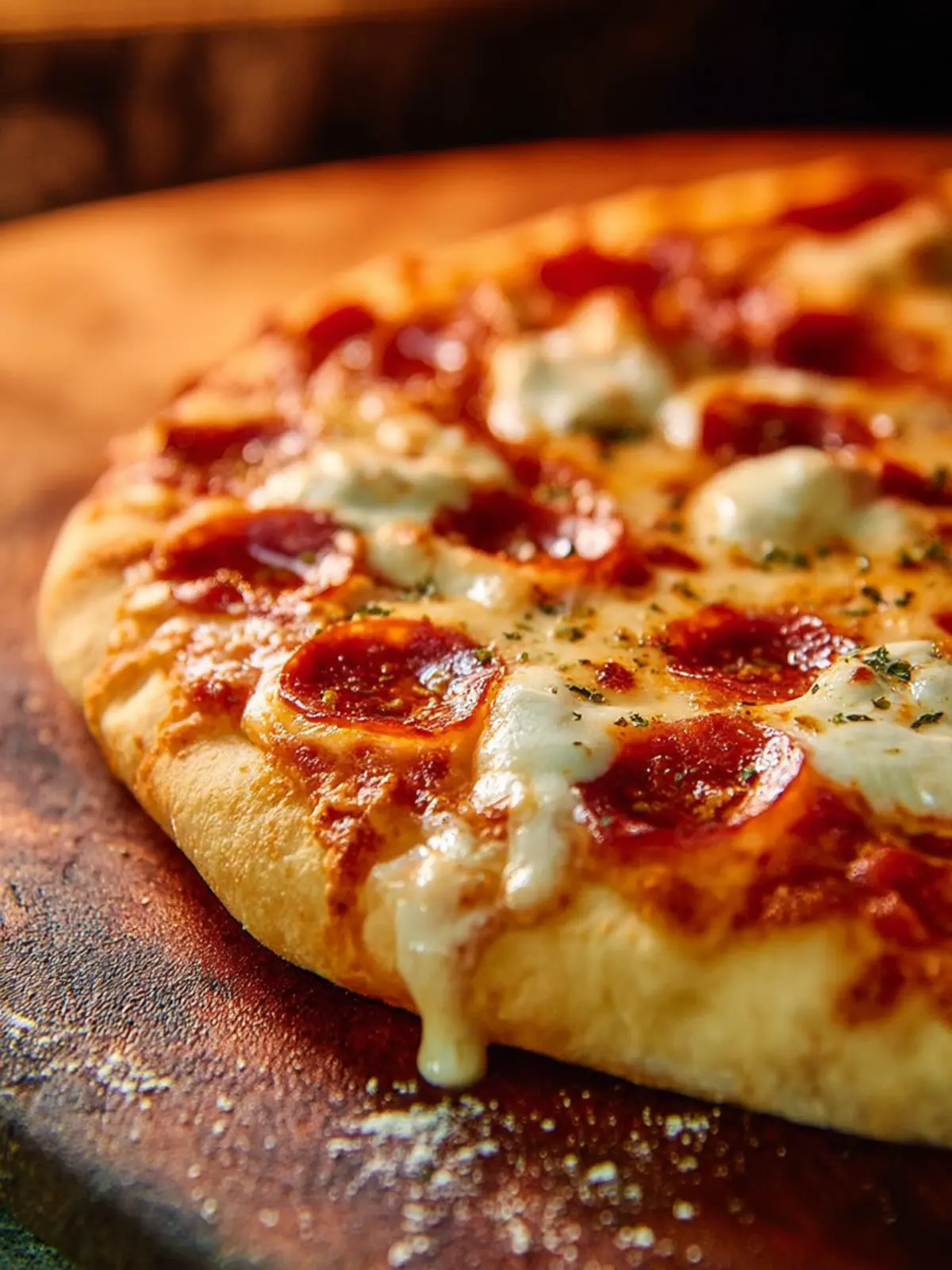
Tips for Perfecting Your Pizza Stone Technique
Using a pizza stone can elevate your homemade pizzas, giving them that coveted artisanal quality. Mastering the art of how to use a pizza stone not only enhances crust texture but also enriches the overall flavor. Here are some practical tips to help you achieve pizza perfection every time:
Preheat Like a Pro
Before you bake, allow your pizza stone to heat up in the oven for at least 30 minutes at a high temperature (around 475°F to 500°F). This ensures the stone absorbs enough heat, creating a crispy crust that rivals your favorite pizzerias.
Flour Is Your Friend
Dust your pizza peel with a generous amount of flour or cornmeal before placing your dough on it. This simple step prevents sticking, making it easier to transfer your pizza to the stone smoothly.
Keep It Simple
When topping your pizza, less is often more. Avoid overloading your pizza with toppings, as this can lead to sogginess. Aim for a balanced distribution to let the flavors shine.
Don’t Rush the Cooling
Once baked, let your pizza cool for a minute or two before cutting. This allows the cheese to set slightly, making for cleaner slices.
By honing your technique with these straightforward tips, you’ll become a pizza stone aficionado in no time. There’s nothing like enjoying a beautifully baked pizza right from your kitchen!
Time Breakdown for Using a Pizza Stone
When you’re delving into the art of homemade pizza, understanding how to use a pizza stone can elevate your game significantly. Timing each stage correctly is essential to achieve that perfect crust. Here’s a quick breakdown of the time you’ll need to allocate for your pizza stone experience.
Preparation time
Before sliding your pizza onto the stone, set aside about 15-20 minutes to prepare your dough, sauce, and toppings. This is where you can get creative, so enjoy the process!
Heating time
Next up is the heating time, which is crucial. Preheat your oven with the pizza stone inside for a solid 30-45 minutes at its highest setting. This will ensure the stone is adequately warmed to create that crispy base you crave.
Baking time
Finally, your pizza will need around 8-12 minutes in the oven. Keep an eye on it; every oven varies. You’ll know it’s ready when the crust is golden and the cheese is bubbling!
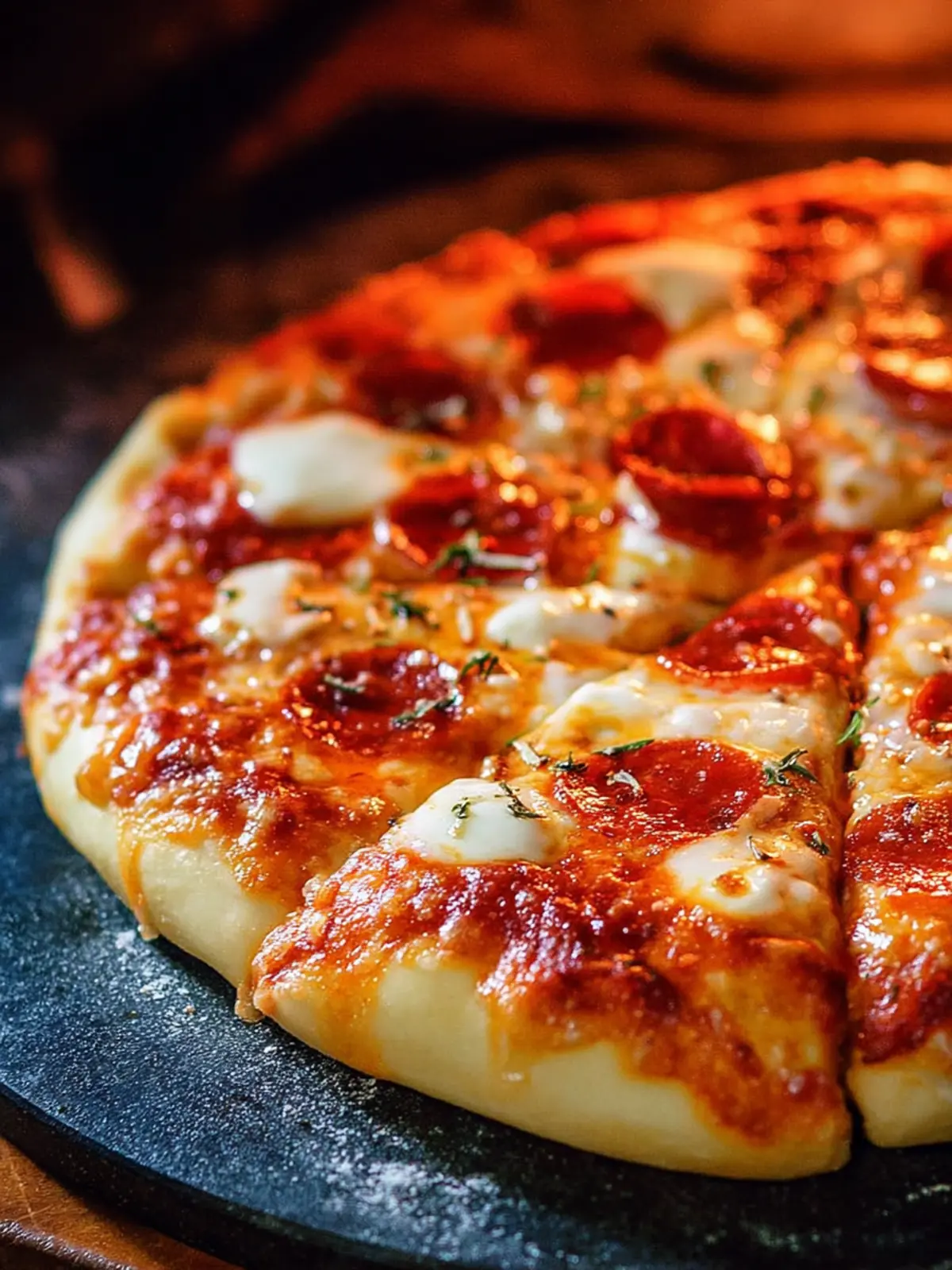
Nutritional Information for Homemade Pizza
When you’re learning how to use a pizza stone, understanding the nutritional profile of your homemade pizza is key. It’s a delightful way to enjoy a favorite meal while keeping an eye on what you eat. Here’s a quick breakdown of common nutritional values for one medium-sized pizza, made with fresh ingredients:
Calories
A typical homemade pizza ranges from 200 to 300 calories per slice, depending on toppings and crust thickness. This means you can indulge while still mindful of portion sizes.
Protein
Homemade pizza can pack in about 10 to 15 grams of protein per slice, thanks to toppings like cheese and meat. For vegetarians, opting for protein-rich toppings, such as beans or tofu, can enhance your intake.
Sodium
Watch the sodium levels! A standard slice might contain around 400 to 600 milligrams of sodium. Using less cheese and opting for fresh herbs can help keep this in check, making your pizza a healthier choice overall.
By being mindful of these nutritional aspects, you can truly enjoy your homemade pizza experience without excess guilt.
FAQs about Using a Pizza Stone
Using a pizza stone can elevate your homemade pizzas to pizzeria-quality goodness, but you might have some questions. Let’s clarify a few common inquiries!
Choosing the Right Pizza Stone
When it comes to selecting a pizza stone, you’ll want to consider two main factors: size and material.
-
Size: Make sure the stone fits your oven (and your pizza!). A typical size is around 14 inches, but larger options are available for bigger pizzas.
-
Material: Pizza stones can be made from ceramic, cordierite, or even cast iron. Clay stones are great for high heat retention, while cordierite is known for its durability and thermal shock resistance, making it perfect for those perfectly crisp pizza crusts.
Can I Use a Pizza Stone on a Grill?
Absolutely! Learning how to use a pizza stone on a grill is a fantastic way to achieve that smoky flavor. Just preheat the stone on the grill for about 30 minutes before placing your pizza on it. Ensure your grill’s heat is even to prevent burning the crust, and keep an eye on your pie—grilling times can vary.
What Should I Do If My Pizza Sticks to the Stone?
Sticking pizzas are a common issue, but you can prevent this. Here’s how:
-
Use Cornmeal: Before placing your pizza dough on the stone, sprinkle a bit of cornmeal. This will create a barrier and allow for a smooth slide.
-
Preheat Properly: Always make sure your pizza stone is preheated. A hot stone helps the crust firm up quickly and will reduce sticking.
-
Avoid Excess Toppings: Too many toppings can weigh down the pizza, increasing the chance of sticking. Keep it balanced for the best results!
By keeping these tips in mind, you’ll be well on your way to crafting pizza perfection right at home.
Conclusion on How to Use a Pizza Stone
Mastering how to use a pizza stone elevates your homemade pizza game, offering that delightful crispiness and authentic flavor found in pizzerias. As you conclude your pizza-making journey, remember these key tips:
- Always preheat your stone in the oven for optimal heat retention.
- Use a generous amount of flour or cornmeal to prevent sticking when transferring your pizza.
- For the best results, toss in some creativity with toppings while keeping an eye on the cooking time to avoid burning.
Incorporating these tips guarantees delicious, mouthwatering results, inviting friends and family to gather around your table again and again. Happy pizza-making!
Print
Homemade Pizza
- Total Time: 1 hour
- Yield: 1 pizza 1x
- Diet: Vegetarian
Description
This homemade pizza recipe features a delicious crust topped with fresh mozzarella, easy pizza sauce, and basil leaves.
Ingredients
Scale
- 1 ball Homemade Pizza Dough
- ⅓ cup Easy Pizza Sauce
- 2 to 3 ounces fresh mozzarella cheese (or about ¾ cup shredded mozzarella)
- Parmesan cheese, for topping (optional)
- Kosher salt
- 2 basil leaves
- Semolina flour or cornmeal, for dusting the pizza peel
Instructions
- Make my Homemade Pizza Dough recipe.
- Place a rack in the center of the oven. Place the pizza stone on the rack.
- Turn your oven to its highest setting (500°F or higher) and let the stone heat up for at least 45 to 60 minutes.
- Slice the mozzarella into ¼ inch thick pieces. If it’s watery (all brands vary), allow it to sit on a paper towel for 15 minutes, then dab the mozzarella with the paper towel to remove any additional moisture.
- Stretch your dough and place it on a peel dusted with semolina flour. Spread the pizza sauce across the dough. Top with the mozzarella cheese. Add a thin layer of fresh grated Parmesan cheese and a few pinches of kosher salt.
- Open the oven door and place the tip of the peel near the back of the stone. With a confident, quick motion, jerk the peel back so the pizza slides onto the stone.
- Bake for 5 to 7 minutes.
- Use the peel to remove the pizza: in a quick motion, slide the peel under the pizza, then remove it from the oven. Let it rest on a wire rack for a minute so the steam can escape.
- Add the basil leaves, slice into pieces, and serve.
Notes
- This pizza can be customized with various toppings as per your preference.
- Ensure the pizza stone is thoroughly heated for best results.
- Prep Time: 15 minutes
- Cook Time: 7 minutes
- Category: Main Course
- Method: Baking
- Cuisine: Italian
Nutrition
- Serving Size: 1 slice
- Calories: 250
- Sugar: 2g
- Sodium: 400mg
- Fat: 10g
- Saturated Fat: 5g
- Unsaturated Fat: 3g
- Trans Fat: 0g
- Carbohydrates: 30g
- Fiber: 2g
- Protein: 12g
- Cholesterol: 20mg