Follow Me On Social Media!


Corned Beef Soup: The Ultimate Comfort in Every Spoonful

Introduction to Corned Beef Soup
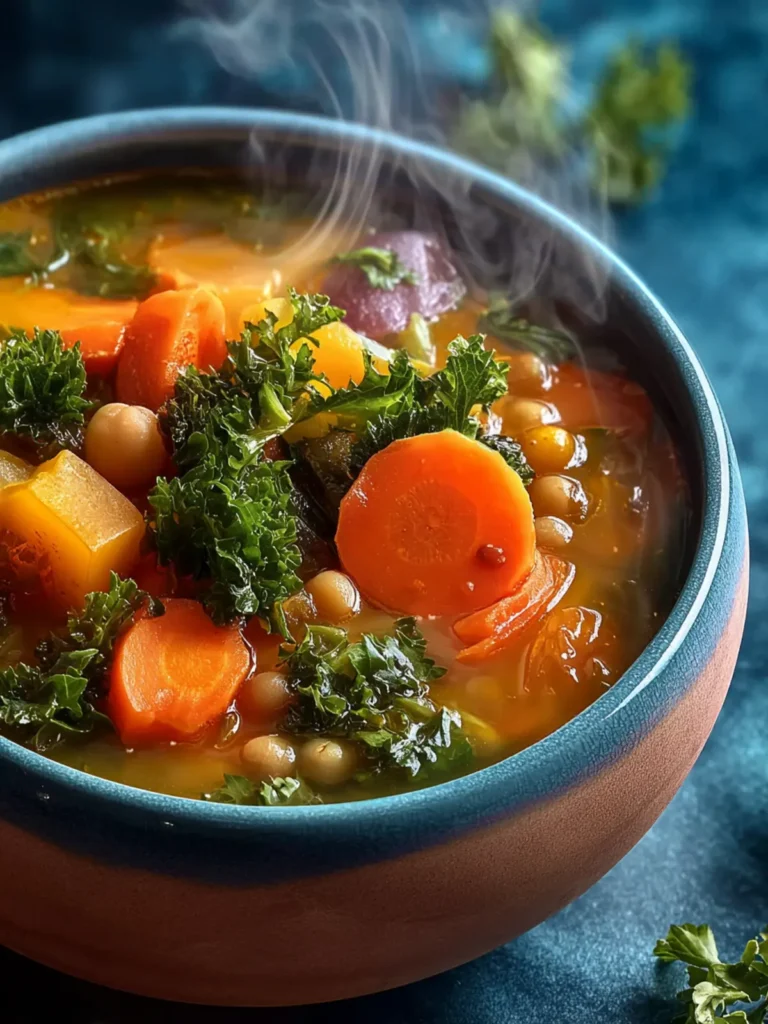
Imagine walking into your kitchen on a cool evening, the savory aroma of corned beef soup wafting through the air, inviting you to cozy up with a warm bowl. This dish combines tender chunks of corned beef with vibrant vegetables, all simmered to perfection in a hearty broth. It’s not just a meal; it’s a warm embrace on a platter, layered with comfort and nostalgia.
Corned beef soup has a unique blend of flavors that appeals to both the palate and the heart. There’s something deeply satisfying about the tender, shredded corned beef mingling with earthy potatoes and fresh carrots, accented by the subtle hints of herbs. Each bite reminds us of family dinners or gatherings, rooted in tradition and filled with stories. Whether you’re preparing it for a chilly weeknight or a festive occasion, this soup transcends mere sustenance—it’s a reflection of home and warmth.
What Makes Corned Beef Soup a Comforting Meal?
Corned beef soup stands out as a comforting meal for several reasons:
-
Rich Flavor Profile: With the robust flavor of corned beef, this soup offers a depth that’s hard to resist. The meat is typically seasoned with spices during the curing process, resulting in savory richness that makes the broth incredibly satisfying.
-
Hearty Ingredients: Packed with nutritious ingredients like potatoes, carrots, and cabbage, corned beef soup is a wholesome dish that fills you up and nourishes your body. The combination of textures—from tender meat to soft vegetables—creates a delightful eating experience.
-
Versatility: Whether you prefer it creamy or broth-based, corned beef soup can be easily adjusted to suit your taste. Want to add more greens? Toss in some kale or spinach. Looking for extra flavor? A splash of Worcestershire sauce can really elevate the soup.
-
Easy Preparation: One of the beauties of this dish is its simplicity. Most recipes involve throwing everything into a pot and letting it simmer. It’s perfect for busy weeknights or lazy weekends, providing an effortless yet rewarding cooking experience.
Moreover, this soup brings people together, making it perfect for gatherings. As you serve it, watch as your loved ones enjoy each spoonful, and remember—food has the power to create lasting connections. So, grab your ingredients and let’s dive into making this delicious corned beef soup that’s sure to become a staple in your home.

Key Ingredients for Corned Beef Soup
Crafting the perfect corned beef soup is like telling a warm story that unfolds with each ingredient. The rich flavors meld together to create a comforting bowl that feels like a hug on chilly evenings.
-
Corned Beef: This is the star of the show. I recommend using high-quality, tender corned beef. The saltiness and spices from the brining process give the soup its distinct flavor. If you have leftovers from a cooked brisket, that’s even better!
-
Vegetables: A robust medley of vegetables, including carrots, potatoes, and celery, adds sweetness and heartiness. Fresh vegetables not only enhance the soup’s flavor but also increase its nutritional value.
-
Onion and Garlic: Sautéing chopped onion and minced garlic creates a flavorful base. Their aromatic qualities infuse the broth with depth and warmth.
-
Broth: A good quality beef broth serves as the foundation, ensuring each spoonful is rich and delicious. Homemade broth can elevate your corned beef soup to the next level!
-
Spices and Herbs: Adding bay leaves and thyme aromatic complements enhances flavor complexity. A sprinkle of black pepper ties everything together beautifully.
Incorporating these key ingredients seamlessly creates a corned beef soup that’s not just a meal, but an experience to savor!
Why You’ll Love This Corned Beef Soup
Imagine coming home after a long day, greeted by the hearty aroma of corned beef soup simmering in the kitchen. This isn’t just any soup; it’s a nostalgic embrace wrapped in a bowl, filled with comforting flavors that make you feel immediately at home. Whether it’s a rainy day or just a moment you want to savor, this recipe transforms a humble cut of beef into a glorious meal.
Heartwarming Comfort in Every Bite
-
Rich Flavors: The key to this corned beef soup is slow cooking, allowing the spices and vegetables to blend beautifully. Each spoonful is a combination of savory meats and vibrant veggies, giving you a robust and flavorful experience.
-
Easy Preparation: With just a handful of ingredients, making this soup is a breeze. You can whip it up before heading to work, letting it simmer all day, or enjoy it as a quick weeknight dinner.
-
Nutrient-Packed: Loaded with vegetables like potatoes, carrots, and celery, this soup not only fills you up but also offers a good dose of vitamins and minerals.
-
Versatile & Customizable: Feel free to adjust the ingredients based on what you have on hand. Throw in some beans or extra greens for added nutrition, or spice it up with a dash of your favorite hot sauce.
Once you experience the cozy satisfaction of this delightful corned beef soup, it’s sure to become a staple in your recipe collection!

Cooking Tips and Notes for Corned Beef Soup
Creating the perfect corned beef soup is as much about the preparation as it is about the ingredients. Here are some tips to help you elevate your dish to a whole new level.
Choosing the Right Cut
The star ingredient in your corned beef soup is, of course, the corned beef. Opt for a high-quality brisket, as it breaks down beautifully during cooking, resulting in tender meat. Aim for a piece with a good amount of marbling; the fat will melt away, adding depth to your soup.
Vegetables Matter
Using fresh vegetables can really enhance the flavor profile of your soup. Carrots, celery, and potatoes are classic choices, but you might also consider adding parsnips or turnips for a unique twist. Just make sure to chop them into uniform sizes for even cooking.
Spice It Up
Spices can make or break your corned beef soup! Don’t hesitate to experiment; adding a pinch of smoked paprika or a dash of hot sauce can introduce a delightful smoky flavor while balancing the richness of the beef.
Simmer to Perfection
Allow your soup to simmer gently rather than boil vigorously. This slow and steady approach not only keeps the meat tender but also allows the flavors to meld beautifully. If time permits, let it rest overnight in the fridge; the flavors will deepen substantially.
Adjusting the Consistency
Feel free to adjust the thickness of your corned beef soup by adding more broth or water as needed. If you prefer a chunkier consistency, reserve some of the vegetables before blending it and fold them in afterward.
These tips will ensure your corned beef soup is not just a meal, but a comforting experience. Happy cooking!
Serving Suggestions for Corned Beef Soup
When you find yourself with a warm bowl of corned beef soup, you’re in for a comforting treat. This hearty dish is not just a meal; it’s an experience that can bring friends and family together. Here are some delightful ways to serve it:
Pair with Bread
- Crusty Bread: A warm, toasted piece of crusty bread or a baguette is perfect for dipping. The crunch contrasts beautifully with the soup’s rich flavors.
- Grilled Cheese: For a nostalgic twist, serve alongside a gooey grilled cheese sandwich. The melting cheese complements the savory soup wonderfully.
Add Freshness
- Herb Garnish: A sprinkle of fresh parsley or chives adds a pop of color and a fresh bite to each bowl.
- Sour Cream or Yogurt: A dollop of sour cream introduces a creamy tang that elevates the flavors of the corned beef soup.
Serve as a Meal
- Side Salad: Accompany your soup with a light salad—think mixed greens with a lemon vinaigrette for a refreshing contrast.
- Potatoes: For a filling meal, pair the soup with roasted or mashed potatoes, which nicely soak up the delicious broth.
Enjoying corned beef soup is all about the experience. Don’t hesitate to customize your meal to make it uniquely yours!

Time Breakdown for Corned Beef Soup
Creating a warm, flavorful corned beef soup is not just a cooking task; it’s a journey through savory aromas and comforting tastes. Understanding how long each step will take can make this experience even more enjoyable.
Preparation Time
The preparation is fairly quick, taking about 15 minutes. You’ll want to gather all your ingredients: tender corned beef, fresh vegetables, and aromatic herbs. Take a moment to chop the vegetables and shred the beef so you can kick off the cooking process smoothly.
Cooking Time
Once everything is prepped, the cooking time is around 45 minutes. This allows the flavors to meld beautifully as the soup simmers, creating a hearty dish that warms the soul.
Total Time
In total, you’re looking at approximately 1 hour from start to finish. That’s just enough time to enjoy a good playlist or catch up with a friend, all while your corned beef soup slowly transforms into a delicious meal.
Nutritional Facts for Corned Beef Soup
When diving into the heartiness of corned beef soup, it’s essential to understand its nutritional profile. This comforting dish not only warms your soul but also offers some key benefits:
Calories
A serving of corned beef soup typically contains around 250 calories. This makes it a filling option without overwhelming your daily caloric intake.
Protein
Packaged with robust flavors and nutrients, you’ll also find a delightful amount of protein—about 20 grams per serving. This hearty protein content helps in muscle repair and keeps you feeling satisfied.
Sodium
While enjoying corned beef soup, it’s worth noting its sodium content, which hovers around 800 milligrams per serving. Keeping an eye on sodium intake is vital, especially if you’re watching your salt levels for health reasons.
This soup is not just delicious; it’s also a comforting, nutritious meal to add to your repertoire!
FAQs about Corned Beef Soup
When diving into the delightful world of corned beef soup, it’s natural to have questions. This comforting dish offers a blend of flavors and textures that can adapt to your needs and preferences. Here are some common queries to help you make the best corned beef soup possible.
Can I use fresh corned beef instead of leftovers?
Absolutely! Using fresh corned beef can give your soup a unique flavor while ensuring it’s as hearty as possible. Just remember to cook the beef until tender before adding it to the soup base. This might take a bit longer, but the rich taste will be well worth the effort.
What vegetables can I substitute in the recipe?
One of the beautiful things about corned beef soup is its versatility. If you’re low on some vegetables or want to mix things up, consider these substitutions:
- Potatoes: Sweet potatoes work wonderfully for a different flavor profile.
- Carrots: You can substitute with parsnips for added sweetness.
- Celery: Fennel can provide a unique twist with its slightly licorice flavor.
- Cabbage: Kale or spinach can be great alternatives for added nutrients.
Feel free to experiment with whatever you have on hand!
Is it possible to make this soup dairy-free?
Absolutely! Making corned beef soup dairy-free is straightforward. Simply omit any cream or milk typically used for richness and rely on the natural flavors of the veggies and meat. Adding a splash of coconut milk can provide creaminess without the dairy if you want to retain that silky texture.
Remember, cooking is all about enjoying the process, so feel free to personalize your corned beef soup to suit your tastes!
Conclusion on Corned Beef Soup
In the realm of comfort foods, corned beef soup stands out as a hearty and satisfying choice, merging flavors in a way that warms both the body and soul. This dish is more than just a recipe; it’s an experience, often evoking memories of family dinners or cozy evenings by the fire. Remember, the key to exceptional corned beef soup is not only the quality of your ingredients but also the time you dedicate to allowing those flavors to meld beautifully.
So, next time you’re in need of a comforting bowl of goodness, let this delightful soup be your answer. It’s perfect for meal prep or a cozy weekend dinner, promising warmth and comfort with every spoonful. Enjoy!
Print
Corned Beef Chowder
- Total Time: 25 minutes
- Yield: 4 servings 1x
- Diet: Omnivore
Description
A creamy and hearty corned beef chowder perfect for a cozy meal.
Ingredients
Scale
- 1 cup corned beef, diced
- 3/4 cup onion, diced
- 2 cups beef broth
- 1 cup frozen vegetables, mixed
- 1 cup heavy whipping cream
- 3 tbsp cornstarch
- 1/4 tsp salt (optional)
Instructions
- Dice your leftover corned beef into small bite size pieces. Add this, your diced onion, frozen mixed vegetables and beef broth into your pressure cooker. You can add salt now, I choose to season at the end as some corned beef and broth already has a lot of salt in it. If cooking on a pot on your stovetop, put on medium heat.
- Set your pressure cooker to high pressure for 2 minutes. Allow to naturally release for 5 minutes, then let out the rest of the steam. If on the stovetop, allow it to come to a rolling boil, stirring until the vegetables are as soft as you’d like and the meat has softened.
- Whisk together your whipping cream and cornstarch in a separate bowl until all lumps are gone.
- Turn your pressure cooker off, then press saute and wait until it begins to bubble. Pour your cornstarch mixture in and allow to bubble for about 2 minutes, stirring, until the chowder/soup thickens. Serve!
- If making on stovetop, add the cornstarch mixture once your vegetables are softened to your desired texture, stir until it is as thick as you want it. Remove from heat and serve immediately.
- We like to serve this with a side of rolls.
Notes
- This recipe is very adaptable; add more vegetables if desired.
- If you prefer to season with salt after cooking, taste before adding.
- Prep Time: 10 minutes
- Cook Time: 15 minutes
- Category: Soup
- Method: Pressure Cooker, Stovetop
- Cuisine: American
Nutrition
- Serving Size: 1 cup
- Calories: 300
- Sugar: 2g
- Sodium: 800mg
- Fat: 20g
- Saturated Fat: 10g
- Unsaturated Fat: 8g
- Trans Fat: 0g
- Carbohydrates: 20g
- Fiber: 2g
- Protein: 15g
- Cholesterol: 60mg